For day traders and swing traders alike, breakouts and breakdowns are the fireworks that light up the screen. When price slices above resistance or below support, it often launches a big move that can fill your account-or empty it. Yet without extra proof and solid stop-loss plans, you may chase a fake movement and be stuck nursing expensive regrets.
In this post well walk through the plain facts on each setup, show you quick ways to spot them, and share no-nonsense rules for pulling the trigger like a veteran.
What is a Breakout?
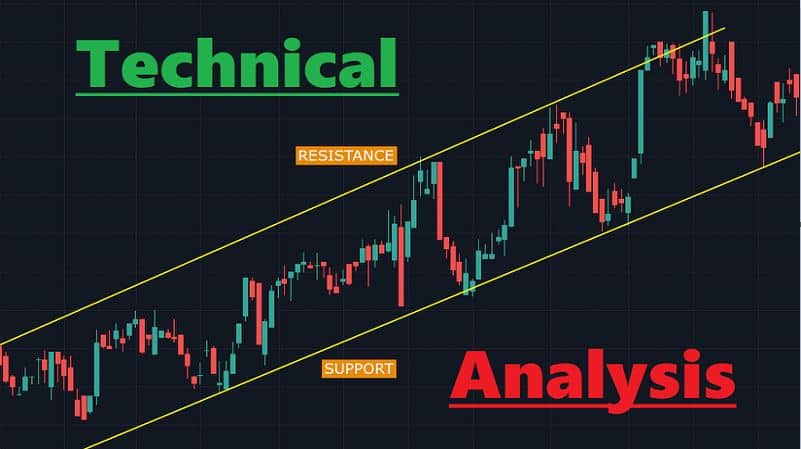
A breakout fires off when price punches above a well-marked resistance line, and trading volume surges in support. The jump suggests buyers have wrested control and the chart could tilt toward a new upward trend.
Example: Picture a stock that keeps bumping its head on 500. One morning it vaults past that mark on heavy volume. That sudden move and the accompanying surge in trades is your classic breakout.
What is a Breakdown?
A breakdown is simply the mirror image: price crashes under key support, usually with loud selling volume, and the bears take over.
Say a shares 200 floor holds for weeks then tumbles below that level while the tape crackles with heavy offers. That drop is a breakdown and, if confirmed, it often opens the door to even lower prices.
How to Spot Real Breakouts and Breakdowns
New traders often jump aboard a breakout or breakdown, only to see price swing back almost at once. You can dodge that mess by spotting the clues below.
Breakout Trade Checklist:
Old resistance has been whacked several times.
The breakout candle shuts above the level, not just a skinny wick.
Volume pops above its daily average.
RSI sits above 50 or prints its own breakout.
Theres no big resistance hanging just overhead.
Breakdown Trade Checklist:
Support has held several times with no drama.
The breakdown candle closes firmly under the zone.
Volume on the way down is much heavier than on the way up.
RSI dips below 50 or falls under 40, shouting bearish strength.
Theres no solid support sitting right beneath.
🛠️ Handy Tools to Spot Breakouts and Breakdowns
Here are some go-to tools traders use to double-check whether a breakout or breakdown is for real:
Tool Usage
Volume Loud volume usually seals the deal
RSI/MACD Keep an eye on these momentum buddies
Trendlines Drawn lines show where prices keep bumping
Moving Averages Act like moving gates of support and resistance
Bollinger Bands A tight squeeze before the break is classic
🧠 What Traders Really Think During Breakouts and Breakdowns
When prices crowd into a tight range, traders are sitting on the fence. A breakout shows suddenly more people are willing to pay up, afraid the good prices will vanish.
A breakdown, however, smells like jitters or second-guessing, so many rush to sell their longs or pile into shorts.
📈 Basic Breakout Game Plan (Step by Step)
Here is a no-frills plan you can try when you spot a squeeze:
1. Find Consolidation Look for price zig-zagging within a narrow band under resistance.
2. Mark Resistance Line Draw a flat line or light trendline at the roof.
3. Watch Volume & Price Action Wait for a big candle to close above the line on heavy trade.
4. Enter on Breakout Close or Retest Jump right in or wait for a quick dip back to the level.
Set Stop-Loss: Drop it just under the low of the breakout candle or the fresh resistance.
Target: Aim for the last swing highs, or grab the width of the calm range and toss that distance on top.
Example:
Stock: Infosys
Resistance: ₹1,400
Breakout candle closes at ₹1,410 with volume spike
Entry: ₹1,412
SL: ₹1,395
Target: ₹1,450
-break-even-
Breakdown Trading Strategy (Step-by-Step)
1. Identify Strong Support Zone
2. Watch for Break Below Support with strong red candle
3. Enter on Breakdown Candle Close or Retest
4. Stop-Loss above the breakdown candle or support level
5. Target: Measure the height of range and project it downward
Example:
Stock: HDFC Bank
Support: ₹1,500
Breakdown at ₹1,490 on heavy volume
Entry: ₹1,488
SL: ₹1,510
Target: ₹1,450
-avoid-these-errors-
Trading Without Confirmation
Never trade on just a wick above resistance-wait for a closing candle and heavy volume.
Not Considering Broader Trend
Breakouts in downtrends usually die fast. Always check the big picture.
Risking Too Much
Use correct position sizing. Limit risk to a tiny slice of your total capital on each deal.
FOMO Entries
Dont chase once the price has already jogged far from the breakout door.
Most of the time, you can ignore a quick price dip or jump; only trade when a clear setup shows up.
Whenever you revisit or test a breakout plan, run it through the past before risking real cash: trade.
Fire up TradingViews Bar Replay or build a simple sheet.
Follow your entry, stop, and exit without bending the rules.
Watch the win rate, average reward-to-risk, and worst drawdown.
One solid plan should give at least 1.5-to-2 units back for every unit at risk.
---
| Criteria | Intraday | Swing |
| ------------------------- | --------------- | --------------- |
| Time Frame | 5-15 minutes | 1 hour - Daily |
| Volume Confirmation | Vital | Helpful |
| Target Size | Tight (1 percent) | Wider (2-10) |
| Risk-Reward | 1-to-1 to 1.5-to-1 | 2-to-1 to 3-to-1 |
| Holding Time | Minutes to Hours | Days to Weeks |
Swing traders usually win more often because they let clearer trends and sharper levels come to them.
--- ✅ Final Checklist Before You Hit Buy or Sell [ ] Does the price level look clean and have solid proof? [ ] Is the candle driving the breakout or breakdown really strong? [ ] Do the volume bars back up the move? [ ] Is the bigger trend on your side? [ ] Have you set a clear stop-loss and profit target? If every box is ticked, feel free to step in. --- ☑ Conclusion Breakouts and breakdowns can be mighty, but they only work when you stay patient and follow your plan. Wait for proof, trade with the trend, and keep your risk in check. As you log reps, youll learn to spot the good setups and dodge the traps. --- ✍️ Bonus Tip Keep a breakout diary. Snap charts, write down why you entered or passed, and review the pages later. Over time, the story you uncover will show where you shine and what still trips you up.