
Commodity prices are often seasonal because of crop cycles, weather, festivals, industrial demand and inventory behaviour. The knowledge of seasonality can help traders to predict probable trends rather than react late.
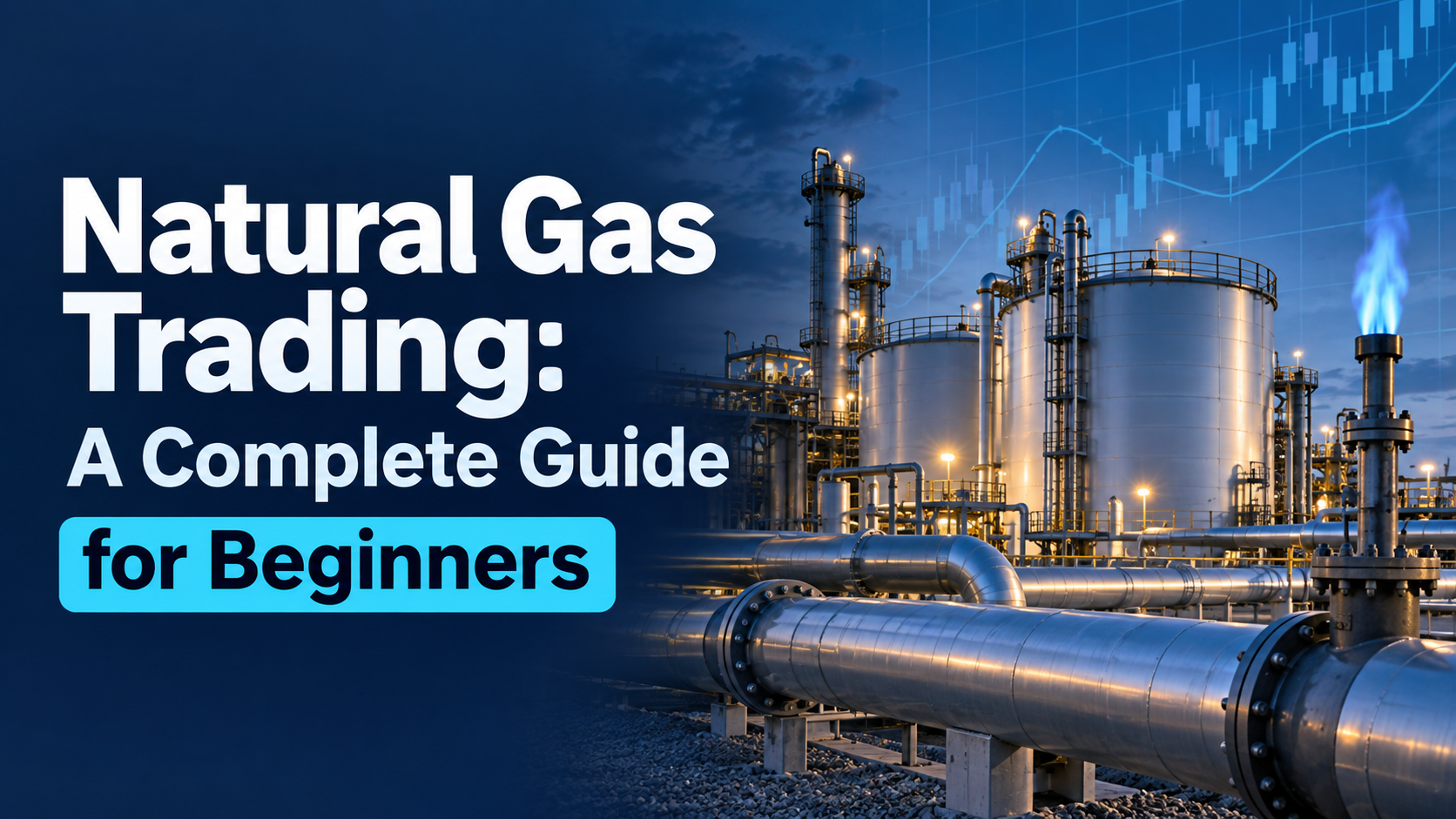
Price movements are observed around sowing and harvesting seasons for agricultural commodities such as soybean, cotton and turmeric. Energy commodities are often in demand during severe summers and winters, while precious metals tend to be stronger in times of uncertainty and during the festive buying season.
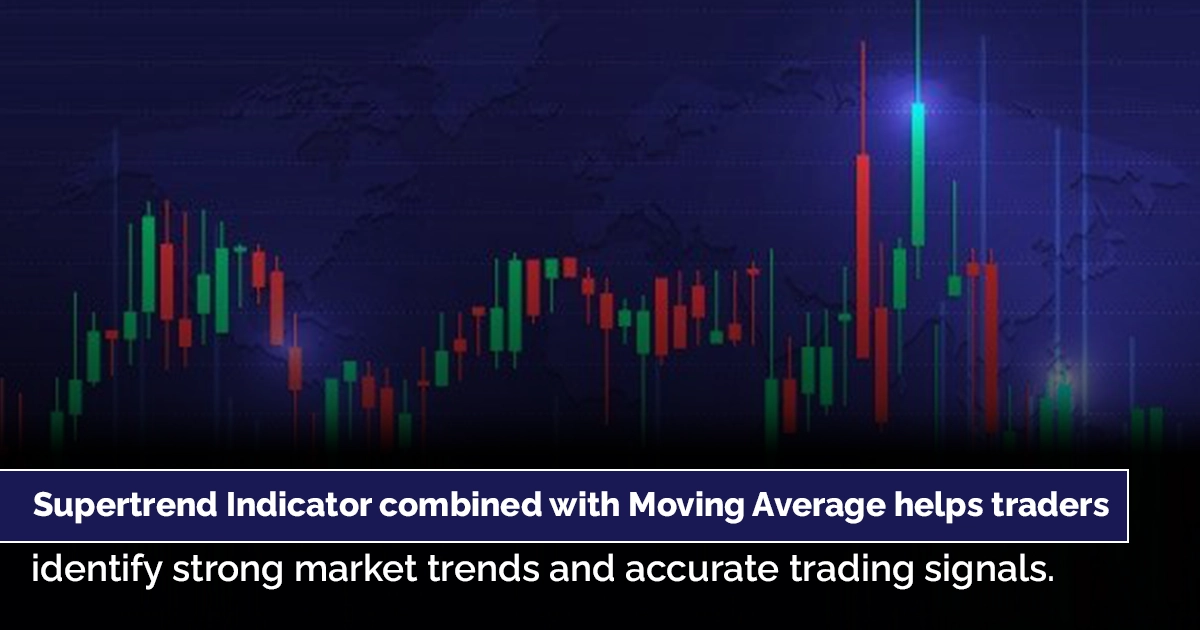
Do not use seasonality in isolation. It works best when combined with technical analysis, open interest, volume, support-resistance and risk management.
Practical Tips:
- Compare the same commodity over the last 5–10 years.
- Track government policies and weather forecasts.
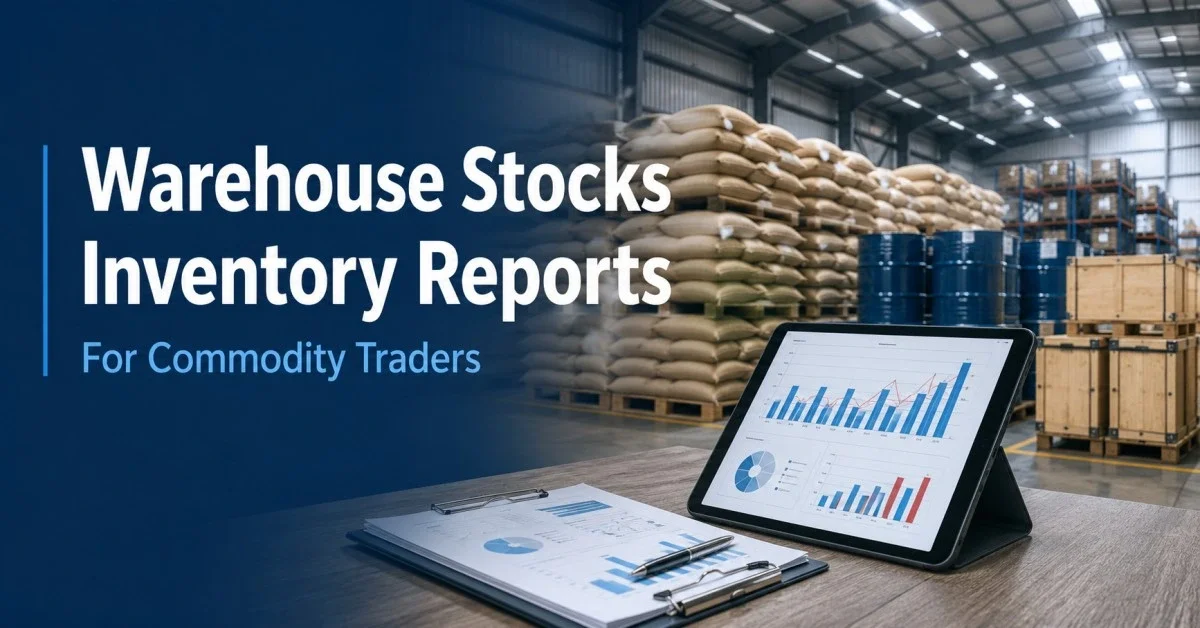
- Watch inventory reports before taking positions.
- Always trade with stop-loss.
Conclusion:
Seasonality isn’t a guarantee, but it gives traders a statistical edge and a better trade plan.