
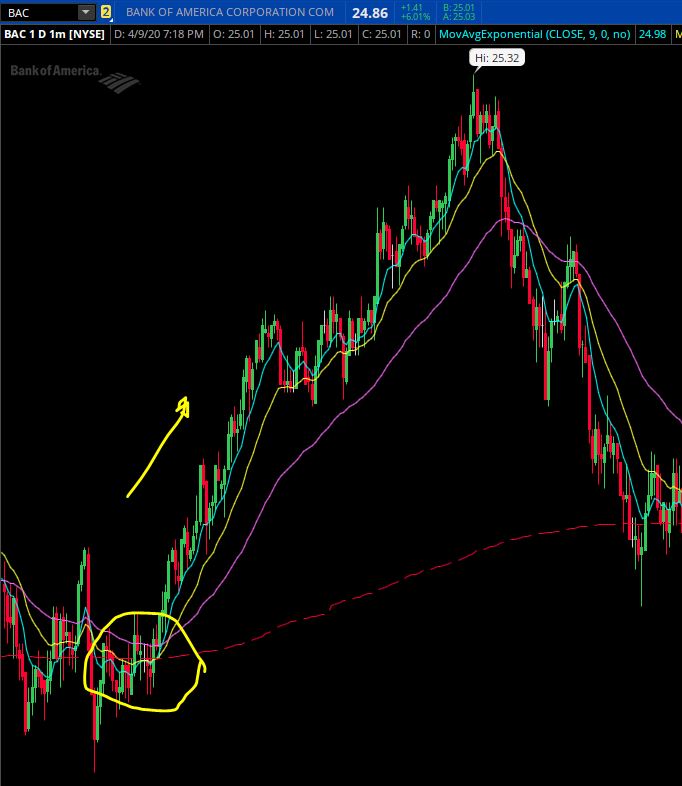
A Simple Trader's Guide to Scalping with VWAP and EMA
Scalping sounds fancy, but all it means is making small, quick trades. You don't have to wait all day or all week to make money; you can get in and out in just a few minutes. Those small gains may not seem like much, but if you do it right and keep doing it, they add up.
The big question now is: How do you know when to get in and out?
VWAP and EMA are what you need to do. Let me explain it without using technical terms.
Step 1: What is VWAP?
VWAP stands for "Volume Weighted Average Price."
Don't worry about the numbers. Keep in mind:
If the price is higher than VWAP, buyers are stronger and the market is going up.
If the price is below VWAP, sellers are stronger, which means the market is going down.
You can think of VWAP as the "fair price line" for the day. It is also watched by institutions and big traders.
Step 2: What is EMA?
EMA stands for "exponential moving average." It sounds heavy, but it's just a moving line that follows prices more closely than regular averages.
Traders love these for scalping:
EMA 9 → mood for a very short time.
EMA 20 shows a little bit more of the big picture.
When EMA 9 is above EMA 20, buyers are moving in the right direction.
When EMA 9 is below EMA 20, sellers have the upper hand.
Step 3: Why should you use VWAP and EMA together?
Here's the secret:
VWAP shows you the big picture of the day and helps you decide whether to buy or sell.
EMA tells you when to enter in the short term.
One is like Google Maps, which tells you where to go. The other is like the steering wheel in your car (EMA helps you turn at the right time).
Step 4: How the Plan Works
For Buying (Long Trade):
Price is higher than VWAP, so the day is bullish.
EMA 9 is higher than EMA 20, which means that short-term momentum is also bullish.
Wait for the price to drop close to EMA 9 or 20 (a small pullback).
When it goes back up with a green candle, buy.
Quickly book a profit of a few points or 0.5%.
For Selling (Short Trade):
The price is below the VWAP, so the day is bearish.
EMA 9 is lower than EMA 20, which means that short-term momentum is also bearish.
Wait for the price to go up a little bit toward EMA 9 or 20 (a pullback).
Sell when it goes down again and a red candle appears.
Make small, quick profits.
Step 5: An example in action
Let's say Reliance is worth ₹2,500.
The price is above VWAP at ₹2,480, which is bullish.
EMA 9 is higher than EMA 20.
The price drops to ₹2,490 near EMA 20, then a green candle makes it go up.
You pay ₹2,491.
Stop-loss at ₹2,485, which is just below support.
Target: ₹2,500–₹2,505.
That's a clean head. Finished in 5 to 10 minutes.
Step 6: How to Make It Work
You can trade liquid stocks or indices like Nifty, Bank Nifty, Reliance, Infosys, and others.
The best times are the first one to two hours after the market opens and the last hour before it closes.
When the price keeps crossing VWAP, stay away from sideways days.
Don't wait for big moves; scalping means quick bites, not a full meal.
Respect your stop-loss and keep it small.
The Bottom Line
It's easy to scalp with VWAP and EMA:
VWAP = The Big Picture (up or down)
EMA = Entry timing (when to get in)
You don't need complicated systems or fancy indicators. These two alone can help you follow the rules and stay clean.
Keep in mind that the goal here isn't to make a lot of money on one trade. It's to make small, steady profits while keeping your risk low.