

Most traders only see their broking on their P&L. But there is a silent cost that eats up a lot more, and almost no one is keeping track of it.
6 minutes to read
Trading Options
Quality of Execution
Most people who trade think that trading costs are easy to understand: broking fees, taxes, and a few other fees. But there is a hidden cost that almost no one pays attention to, and it can quietly take a big chunk out of your profits. That cost is the cost of slippage and impact.
What does "slippage" mean?
Slippage is the difference between the price you think you will pay and the price you actually pay.
Scenario for a Live Order
Expected Price to Buy: ₹100.00
Actual Fill Price: ₹100.40 SLIPPAGE
Loss per unit right away: −₹0.40
Markets are not like stores with set prices. Prices change because of the order queue, demand, supply, and market speed. If there aren't enough sellers at ₹100, your order goes to the next lowest price, and you end up paying more than you planned.
The Bigger Problem: Impact Cost
Impact cost is what happens when your own trade changes the market. This happens most often with small-cap stocks, options that aren't very liquid, and instruments that don't trade very often.
You try to buy a lot of shares of a small-cap stock. The price goes up because of your own buying pressure, which means you end up buying at worse and worse prices. The more you want to buy, the more it costs.
Scenario for Real-Life Options
NIFTY Options: The Truth About Market Orders
Price to Buy: ₹100.00
Actual Fill (Market Order) ₹101.50
Exit Fill Received: ₹100.50
Total Hidden Loss Per Lot: −₹2.00 (before fees)
Who is the most hurt?
⚡
Traders During the Day
Scalpers for Options
High-Frequency Traders
Small-Cap Traders 📉
Even investors who hold stocks for a long time can lose money when they buy or sell stocks that aren't liquid. The problem is that trading apps don't make slippage clear in your P&L, and it feels "small" for each trade. But it adds up a lot over hundreds of trades.
How to Cut Down on Slippage
Always Place Limit Orders
Don't use market orders. With limit orders, you can control the entry price and avoid surprises at the fill price.
💧 Trade Liquid Instruments
Stick to stocks with a lot of volume, like Reliance, HDFC Bank, and well-known index options. These have small spreads and little slippage.
🚫 Don't buy Deep OTM or Low-Volume Options
Cheap options often have big bid-ask spreads. The hidden execution cost eats up the discount in premium.
✂️
Split up big orders into smaller ones.
Place several smaller limit orders instead of one big market order. This cuts the cost of impact by a lot.
Last ThoughtSometimes you don't need a better plan; you just need to do things better.
Not paying attention to slippage is like running a business without keeping track of costs. It won't kill you right away, but it will eventually. Every trade has a real cost, so you should know what it is.
Impact Cost & Slippage – The Hidden Cost That Kills Profits | ICFM India

Comments
Related posts

Positional trading means holding a trending stock for weeks or months instead of hours. This guide follows one trade week ....

Momentum trading means trading in the direction of a strong, confirmed price move. This guide explains how it works with ....

SEBI's FY2022–FY2024 study found that 93% of individual F&O traders incurred losses. This guide explains what a derivatives curriculum needs ....

Most beginners start with YouTube videos and end up more confused than when they began. The best stock market course ....
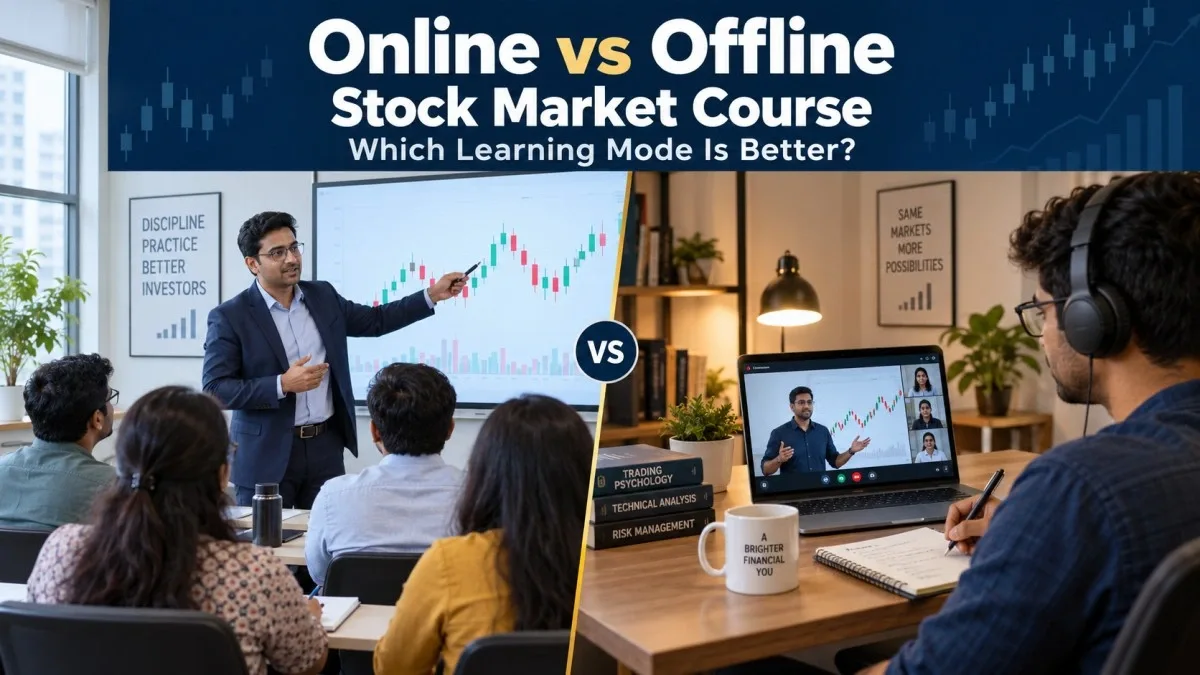
Compare online vs offline stock market courses based on flexibility, practical training, mentorship, cost and learning support. Discover which learning ....