
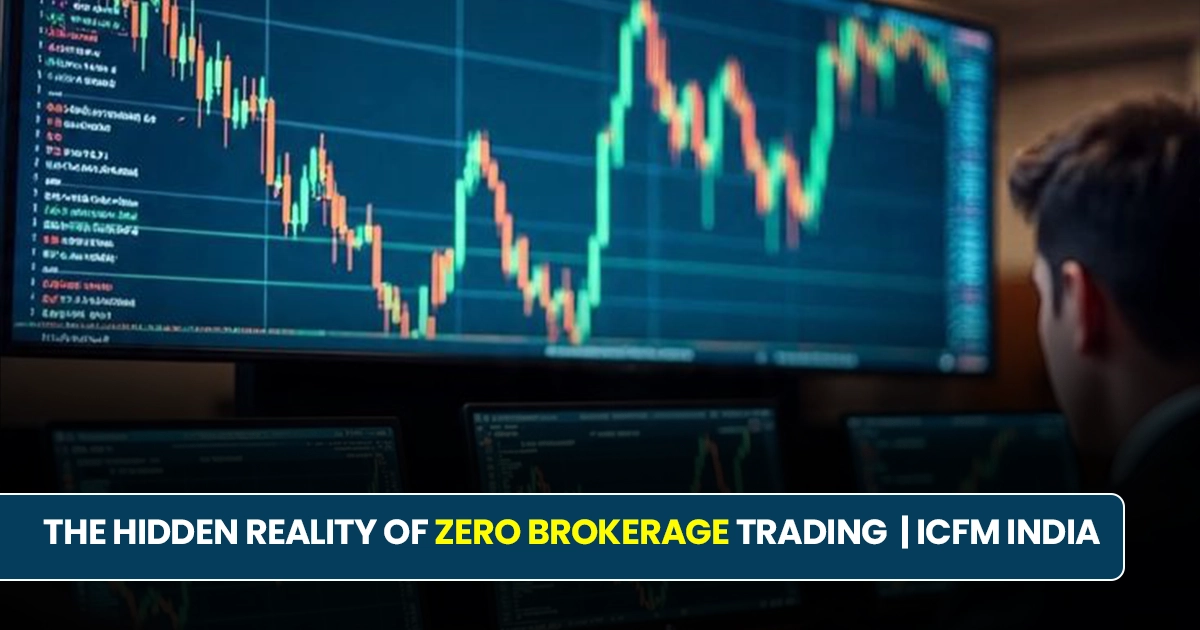
The Secret Truth About "Zero Broking" Trading
The ads say, "Trade for free." But trading has never really been free. This is what retail traders don't see and how much it's costing them.
Costs of the Broker
Trading in stores
You've seen the ads that say things like "Zero broking trading," "Trade for free," and "No commission on delivery." And for a lot of retail traders, this is a big reason to pick a broker. But here's the truth that might make you uncomfortable: trading is never really free, even if your broker doesn't charge you anything.No broking means no cost to trade.
There is always a cost to trading. All the time.
How do brokers make money if broking is zero?
No business can run without money. Brokers just changed the way they make money. These are the real hidden costs you're still paying:
COST 01: The difference between the bid and ask prices
The difference between the buy and sell price isn't clear, but it's a real cost for every trade.
COST 02: Slippage
The price at which your market order fills is worse than you thought it would be. This can be very important in unstable markets.
COST 03: The Overtrading Trap: "Free" trading makes people trade more, which leads to more low-quality setups, more losses, and more hidden costs.
COST 04: Legal Fees
No matter what broker you use, STT, exchange fees, GST, SEBI fees, and stamp duty will always be there.
COST 05: Interest on the margin
Margin lending makes brokers a lot of money. If you use leverage, you're paying interest, which isn't always clear.
COST 06 Quality of Execution
If you don't route your orders correctly, you'll always get worse fill prices. Over a hundred trades, this adds up to a real loss.
The Spread: The Most Overlooked Cost
There are two prices for every stock and option: the bid (the price the buyer is willing to pay) and the ask (the price the seller is willing to pay). The spread is the difference.
LTP: ₹100 could be an option in NIFTY 50. But the real prices you can use are Buy: ₹102 and Sell: ₹98. That ₹4 gap is your immediate loss, even if the broking is zero. You are already behind before the trade even has a chance to work.
Charges That Always Apply Charge Broker Control?
STT is the Securities Transaction Tax, which is charged on every trade.No ✗
Charges for NSE/BSE transactions and exchangesNone ✗ GST: 18% on broking and transaction fees; none ✗ SEBI feesTax on each transaction by the governmentNone ✗ Stamp DutyOn contract notes, state-wiseNo, these fees apply 20 times because you make 20 trades every day. This cost structure can make it almost impossible to make money with small-profit strategies.
Trader A and Trader B
Trader A: No Commission
Makes 20 trades every day
Pays with slippage and spread
Overtrades on every drop
Charges add up quickly
Ends the month with a loss
Trader B—Disciplined
Trade 4–5 times a day
Always uses limit orders
Concentrates on high-quality setups
Keeps track of net profit, not gross
Always making more money
Trader B often makes more money, not because of lower broking fees, but because they are disciplined about how they trade.
Important Points
There is always a cost to trading, even if it isn't listed on the bill.
The bid-ask spread and slippage are the two biggest hidden costs you have.
Zero broking actively encourages overtrading, which increases all hidden costs by a factor of ten.
Execution quality is more important than whether the broking fee is ₹0 or ₹20.
Don't just look at gross P&L; always look at net profit after all costs.
Final Thoughts: "You won't be successful in trading if you save ₹20 on broking."
There is no scam with zero broking, but there is no magic either. It's a different way to set prices. The real issue is how retail traders understand the word "free." That's what really makes you consistently profitable: discipline, risk management, and smart execution.

Comments
Related posts
Positional trading means holding a trending stock for weeks or months instead of hours. This guide follows one trade week ....

Momentum trading means trading in the direction of a strong, confirmed price move. This guide explains how it works with ....
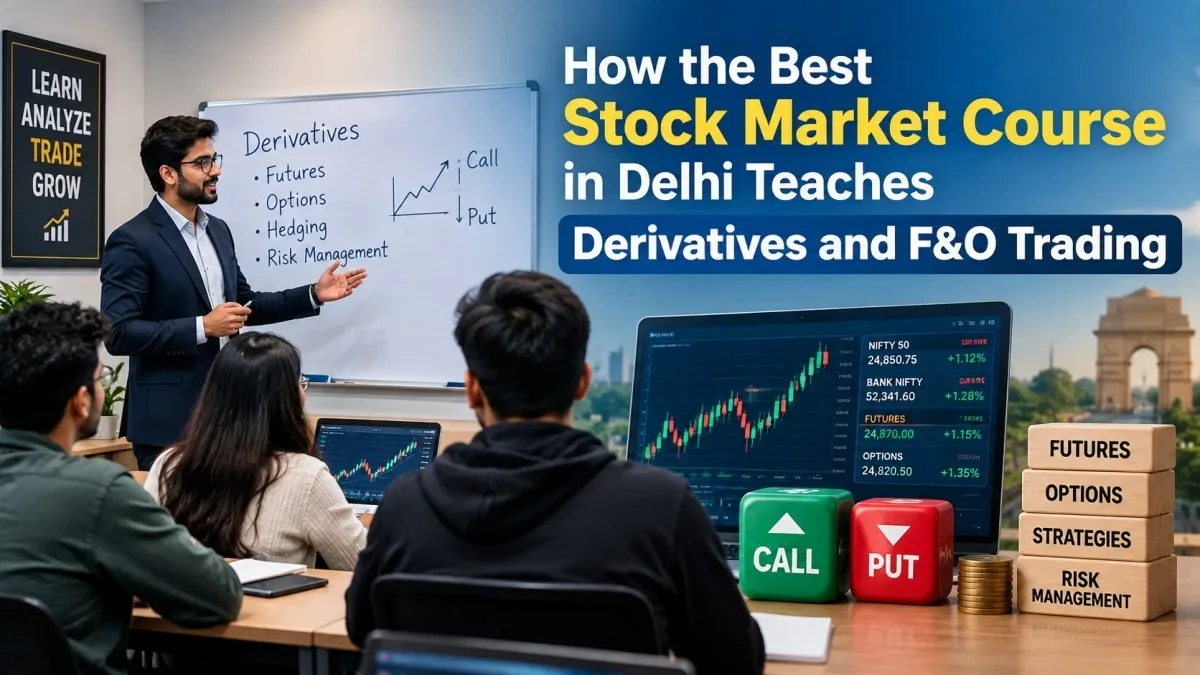
SEBI's FY2022–FY2024 study found that 93% of individual F&O traders incurred losses. This guide explains what a derivatives curriculum needs ....

Most beginners start with YouTube videos and end up more confused than when they began. The best stock market course ....
Compare online vs offline stock market courses based on flexibility, practical training, mentorship, cost and learning support. Discover which learning ....